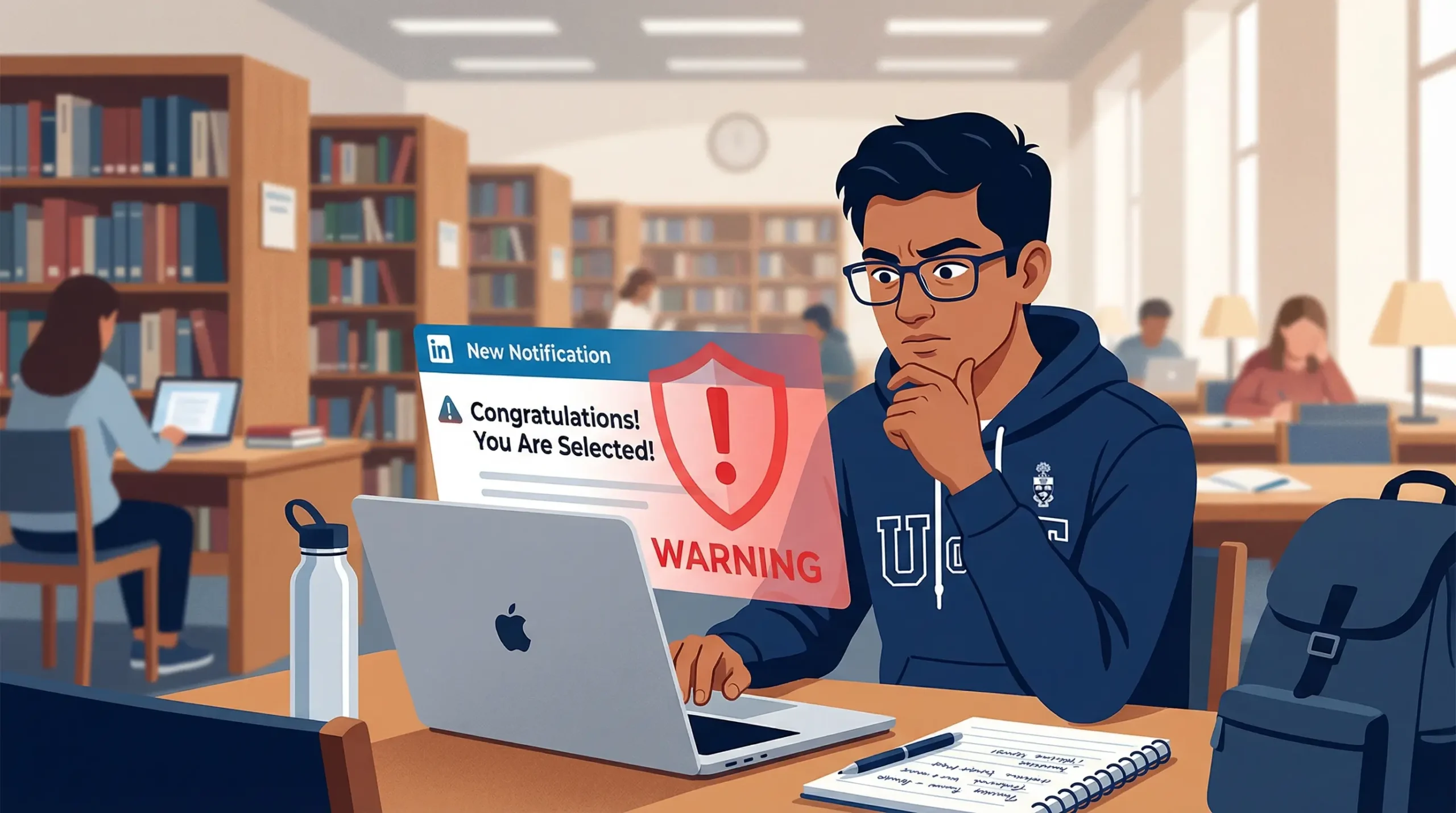
Finding your first internship is exciting. You open LinkedIn, scroll through opportunities, and suddenly you get a message saying “Congratulations! You’ve been selected!“
But wait. Did you even apply? Did anyone interview you?
If something feels off, it probably is. Fake internships are growing fast on LinkedIn, and they are trapping thousands of students and fresh graduates every year. This guide will help you understand what these scams look like, how to avoid them, and what to do if you encounter one.
Try Our Tool: Linkedin Image Downloader
Fake Internships on LinkedIn: How to Spot Them and Stay Safe (2026 Guide)
What Is a Fake Internship Scam?
A fake internship scam is when a company or individual pretends to offer a real internship but actually has a hidden goal usually to make money from you or use you for free promotion.
These scammers target students and freshers because they know you are eager to build your resume. They take advantage of that eagerness.
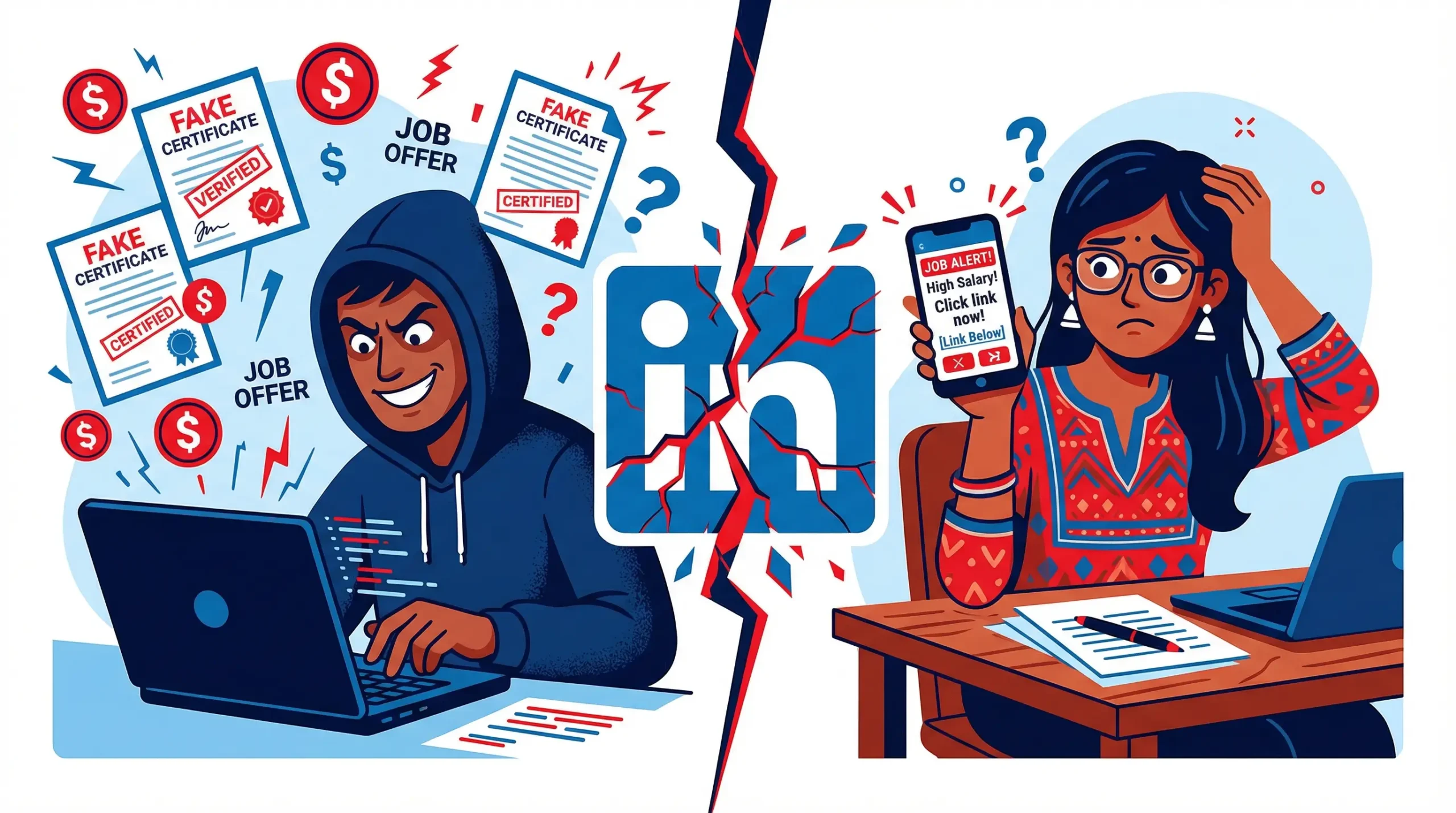
Here is what they actually want from you:
- Your money (for “training fees” or “certificate charges“)
- Free social media promotion (by asking you to post about them)
- Your personal information
- Your network and credibility on LinkedIn
Red Flags of a Fake Internship
Learning to spot warning signs can save you a lot of time, money, and stress. Watch out for these:
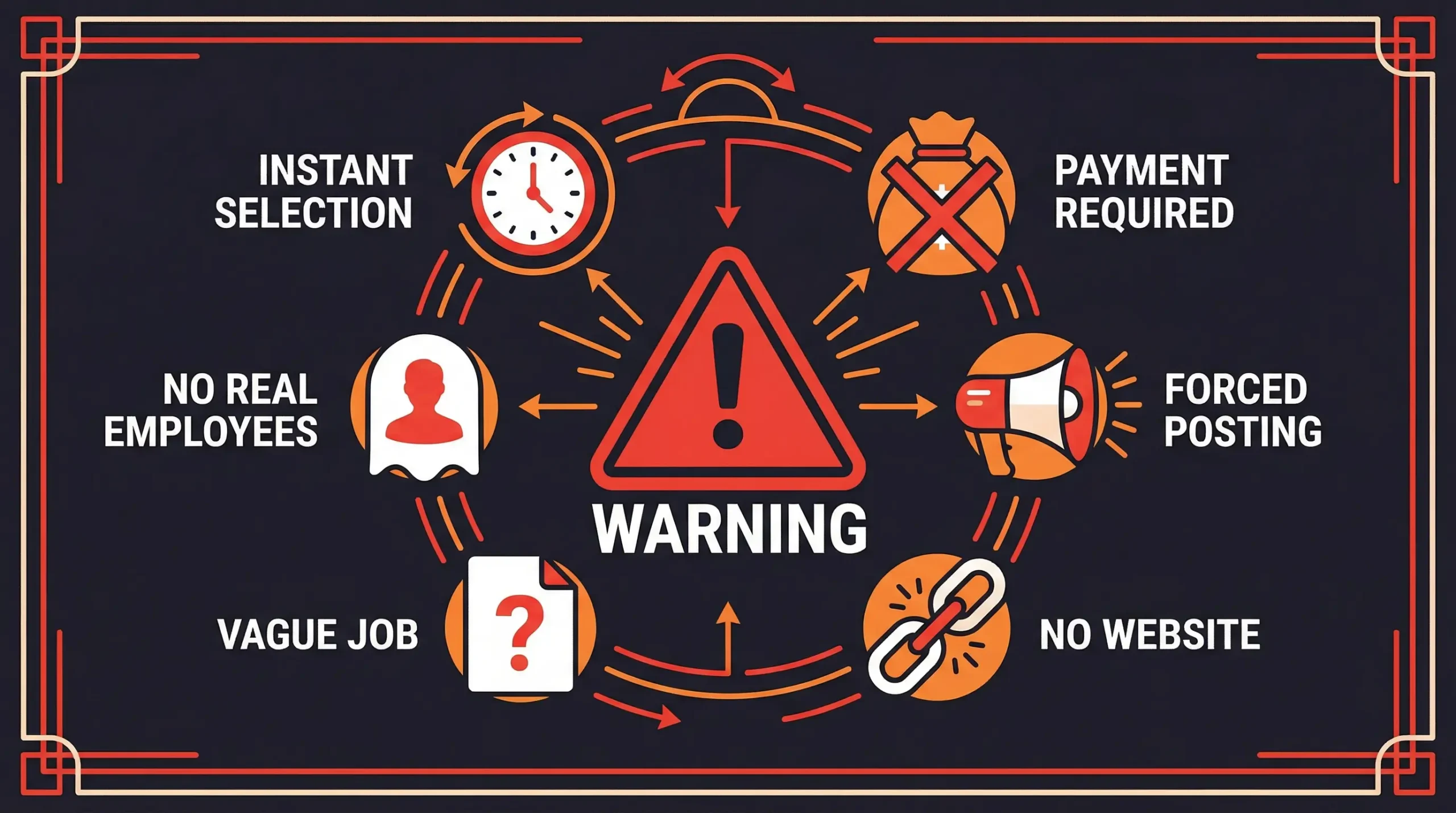
1. You Are Selected Without a Proper Interview
Real companies take time to review your profile, shortlist candidates, and conduct interviews. If someone selects you within minutes of sending a connection request, that is a big red flag.
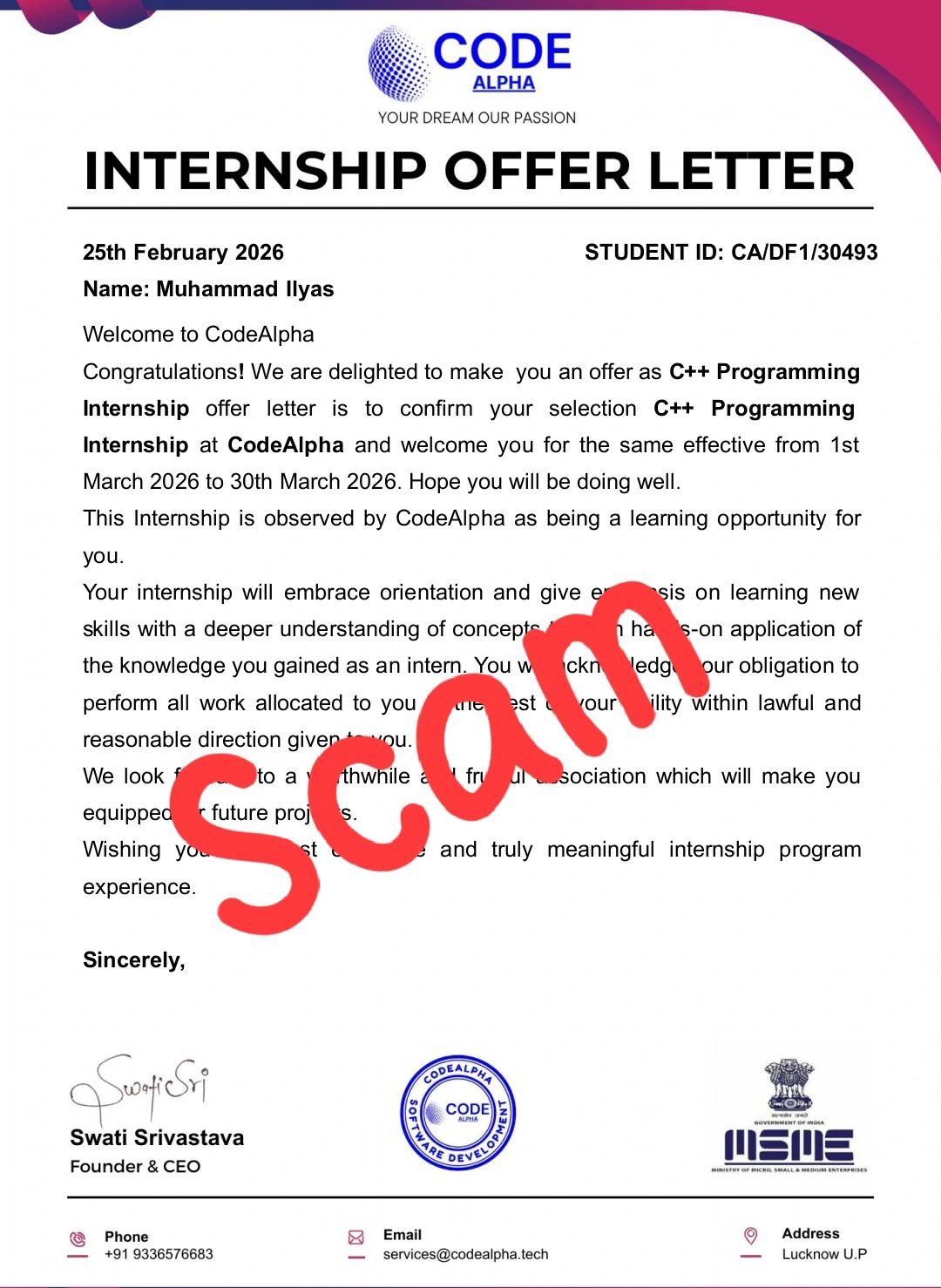
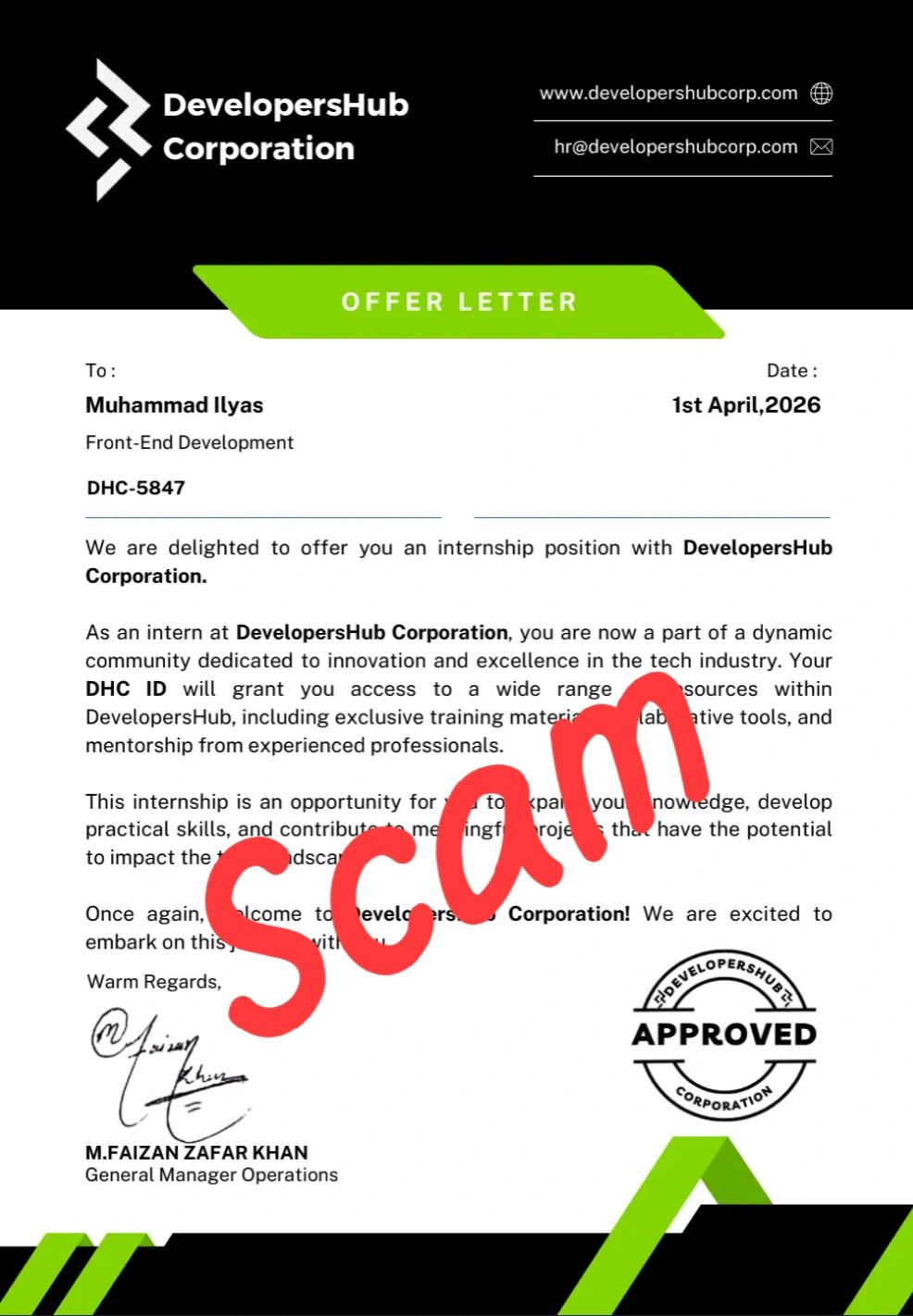
If you want to download the images like above which fake recuriter posted on linkedin then you can use our Linkedin Video Downloader to save and share with your friends to make your friends well aware of this.
2. They Ask You to Pay for a Certificate or Training
This is the most common trick. They say things like:
- “Pay $10 for your completion certificate”
- “There is a small registration fee for the training program”
A real, legitimate internship never charges you money. You are there to gain experience, they should be happy to have your time and energy.
3. They Force You to Post on LinkedIn
Many fake internship programs ask you to post your “offer letter” publicly on LinkedIn. Why? Because it helps them reach more students and make their fake company look real. Your post becomes free advertising for a scam.
4. No Real Website or Office
Search the company name on Google. If you cannot find a proper website, a working phone number, or verified employees on LinkedIn, something is very wrong.
5. Vague Job Description
Real internships tell you exactly what you will be doing. Fake ones use words like “brand ambassador,” “awareness program,” or “digital volunteer” without explaining any actual work.
6. They Contact You First Without You Applying
Legitimate companies post jobs and wait for applications. If a random person messages you out of nowhere offering an internship, be careful.
Why Are These Scams So Dangerous?

You might think, “It’s just a small fee, what’s the harm?” But the damage goes deeper than money.
- Time loss: You spend weeks doing pointless tasks that add nothing to your skills
- False resume entries: Putting a fake internship on your resume can hurt you later
- Financial loss: Even small amounts add up, especially for students
- Confidence damage: When you realize you were scammed, it feels deeply embarrassing
- Data theft: Some scammers collect your Aadhaar, CNIC, or bank details under the pretense of salary processing
How to Verify an Internship Before Accepting
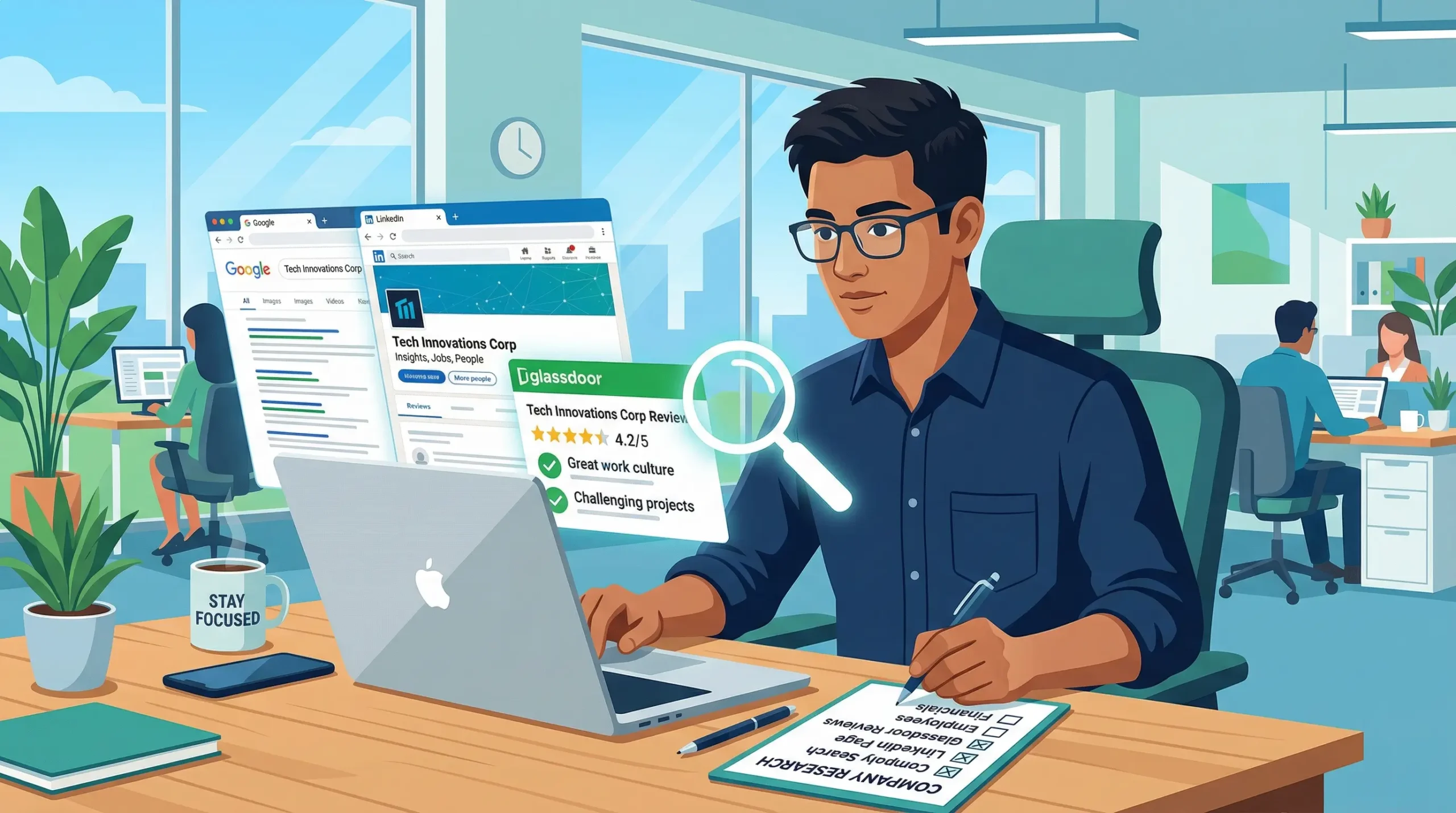
Before saying yes to any opportunity, take these steps:
Step 1: Google the Company
Search “[Company Name] + review” or “[Company Name] + scam.” Real companies have an online presence. Look for news articles, LinkedIn pages, and Glassdoor reviews.
Step 2: Check LinkedIn Employees
Go to the company page on LinkedIn. Do real employees show up? Click on their profiles. Do they look genuine? Are their profiles active for years or just created recently?
Step 3: Ask Specific Questions
Ask the recruiter things like:
- “Who is your CEO?”
- “What is your office address?”
- “Can I speak with a current intern?”
A scammer will get uncomfortable and give vague answers.
Step 4: Never Pay Anything
No matter what excuse they give training material, background check, certificate, then do not pay. This is a hard rule with no exceptions.
Step 5: Search for Past Interns
Look up people who have listed this company in their LinkedIn experience. Reach out and ask about their experience honestly.
What Should a Real Internship Look Like?
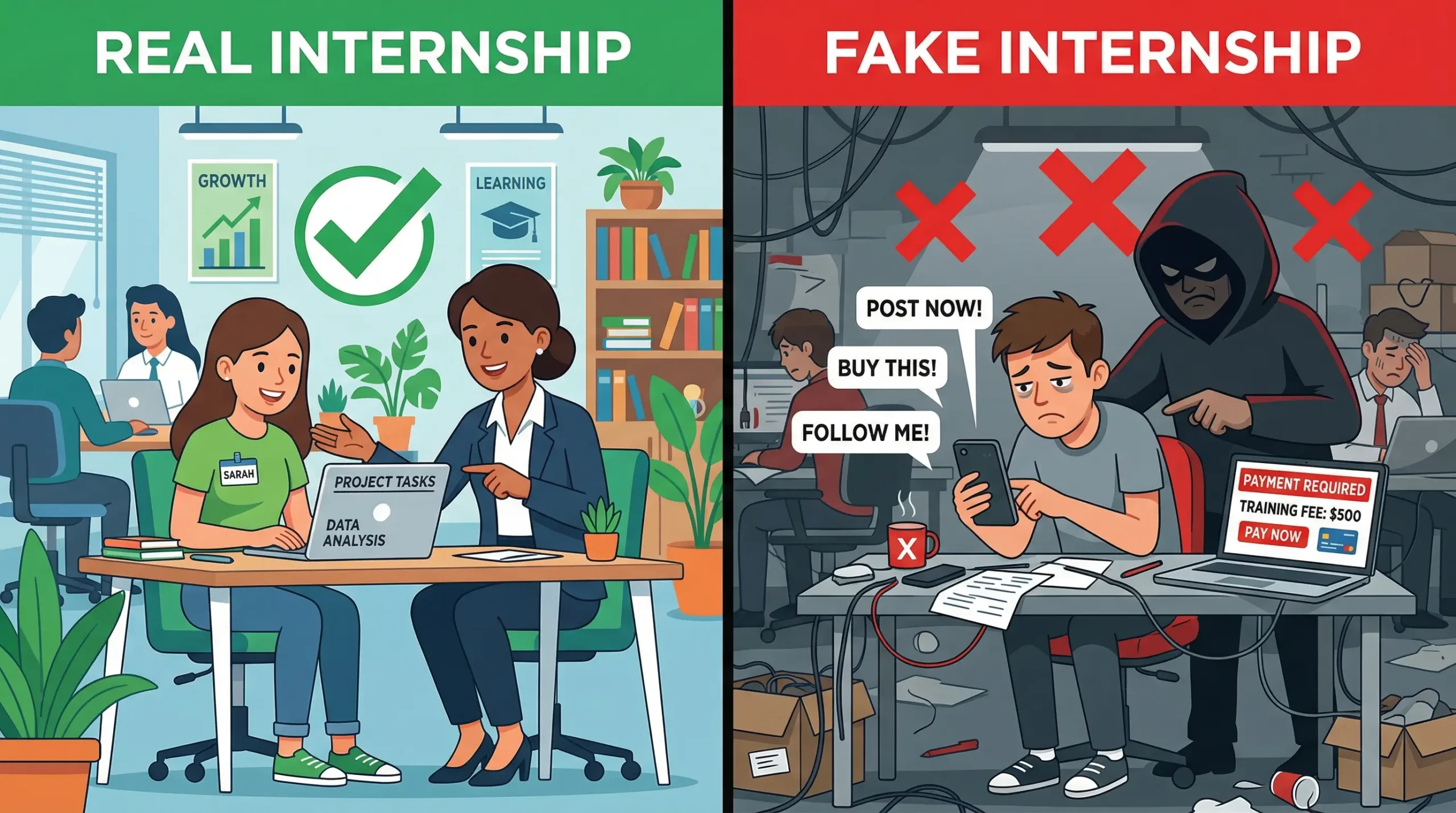
Here is a simple comparison to keep in mind:
A real internship will:
- Conduct at least one interview (phone, video, or in-person)
- Have a clear job description with defined tasks
- Never ask for money
- Have a working company website and verifiable employees
- Provide actual mentorship or work experience
A fake internship will:
- Select you instantly with no interview (Its a Red Sign)
- Ask for payment at some point (Real recruiters don’t ask for money)
- Push you to promote them on social media
- Have no proper website or team (Its compulsory to have a website atleast)
- Give you no real work or learning
What to Do If You Find a Fake Internship?

If you come across a suspicious listing or get scammed, take action:
- Report the job post on LinkedIn: Use the “Report” button on the post or profile
- Warn others: Share your experience in LinkedIn comments or relevant groups
- File a complaint: In Pakistan, you can contact FIA Cybercrime Wing at fia.gov.pk
- Block the account: Do not engage further with the scammer
- Tell your college or university: They can warn other students
Final Words: Protect Your Time and Ambition
Your effort, energy, and time are valuable. Scammers know this and will try to use it against you. The best defense is awareness, knowing what a real opportunity looks like and having the confidence to say no when something feels wrong.
You deserve a real internship that teaches you something, not one that empties your wallet and fills someone else’s pockets.
Stay smart. Stay safe. And always verify before you trust.
Follow our more guides: How to Download Linkedin Videos on Android